
EV charging apps have gotten complicated with all the different networks and features flying around. As someone who has driven electric for five years across the Pacific Northwest, I learned everything there is to know about which apps actually matter. Today, I will share it all with you.
The Three Apps Every EV Driver Needs
PlugShare, ChargePoint, and A Better Route Planner each solve different problems. You need all three, honestly. Here’s why they’re not interchangeable.

PlugShare: The Universal Finder
PlugShare shows chargers from every network in one place. Electrify America, EVgo, ChargePoint, Tesla Superchargers with adapters — all of it. The crowd-sourced reviews save you from broken chargers that the network apps still show as working.
That’s what makes PlugShare endearing to us EV drivers — real people post photos and updates. Someone will note “second stall from left has slow handshake” and that saves you twenty minutes of frustration.
ChargePoint: For Network-Specific Stations
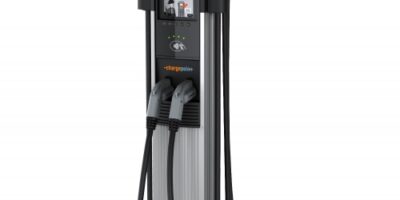
ChargePoint runs its own network and the app handles payments seamlessly. In the Seattle metro area, ChargePoint stations dominate shopping centers and workplace parking. The app shows real-time availability, which matters when you’re racing someone else to the last open spot.
A Better Route Planner: The Road Trip Essential
Probably should have led with this section, honestly. ABRP calculates routes with charging stops factored in. It knows your car’s real-world efficiency, accounts for elevation changes on mountain passes, and adjusts for cold weather range loss.

Setting Up Your App Stack
Download all three. Set up payment methods in ChargePoint and any other network apps you’ll use regularly. Link your specific vehicle in ABRP for accurate range predictions. Check PlugShare reviews before any unfamiliar charging stop.
The combination of these three tools handles ninety percent of charging situations you’ll encounter in the Pacific Northwest.



Stay in the loop
Get the latest northwestevcharge.com updates delivered to your inbox.