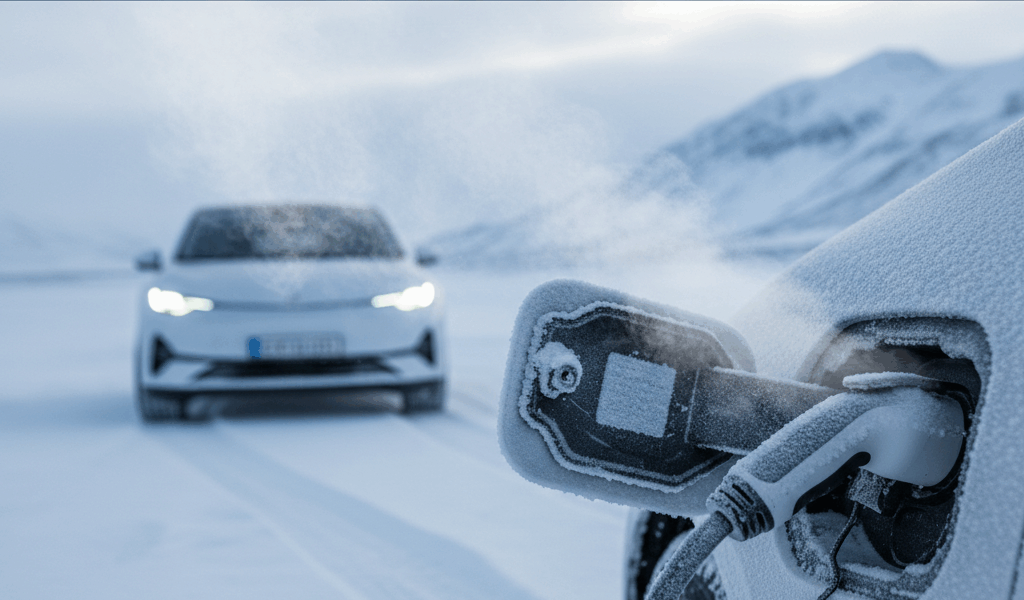
Cold weather EV charging has gotten complicated with all the range anxiety myths flying around. As someone who has driven electric through five Pacific Northwest winters, I learned everything there is to know about managing cold weather performance. Today, I will share it all with you.
Why Range Drops in Cold Weather
Battery chemistry slows down when cold. The lithium ions move sluggishly through the electrolyte, reducing both charging speed and available capacity. Your car isn’t broken — physics just works differently below 40 degrees.
Cabin Heating Draws Power
That’s what makes winter range endearing to us as a puzzle to solve — the heater pulls directly from the battery. A gas car wastes engine heat for cabin warmth. EVs must generate that heat intentionally, and it costs range.
Preconditioning While Plugged In
Probably should have led with this section, honestly. Warming your car while still connected to the charger means the grid heats your cabin and battery instead of draining stored energy. Most EVs let you schedule this through the app.
Seat Heaters Over Cabin Heat
Heated seats and steering wheel use far less energy than blasting hot air. Bundle up slightly and use the seat warmers on high. Your range will thank you.
Planning Winter Trips
Expect 20 to 30 percent range reduction in cold weather and plan charging stops accordingly. The car adapts, and so will you after a season or two of learning its winter personality.


Stay in the loop
Get the latest northwestevcharge.com updates delivered to your inbox.