
Home EV Charging Solutions for Multi-Vehicle Households
Charging multiple EVs at home has gotten complicated with all the power requirements and load management options flying around. As someone who runs two EVs in my own household, I learned everything there is to know about making multi-vehicle charging actually work. Today, I will share it all with you.
The reality: most homes can charge multiple EVs. It just takes planning and sometimes panel upgrades.
Assess Your Electrical Capacity
Probably should have led with this section, honestly—your panel capacity sets the ceiling for everything else. Most homes have 100-200 amp service. Each Level 2 charger draws 32-50 amps on a dedicated circuit. Two chargers running simultaneously can strain older 100-amp panels quickly.
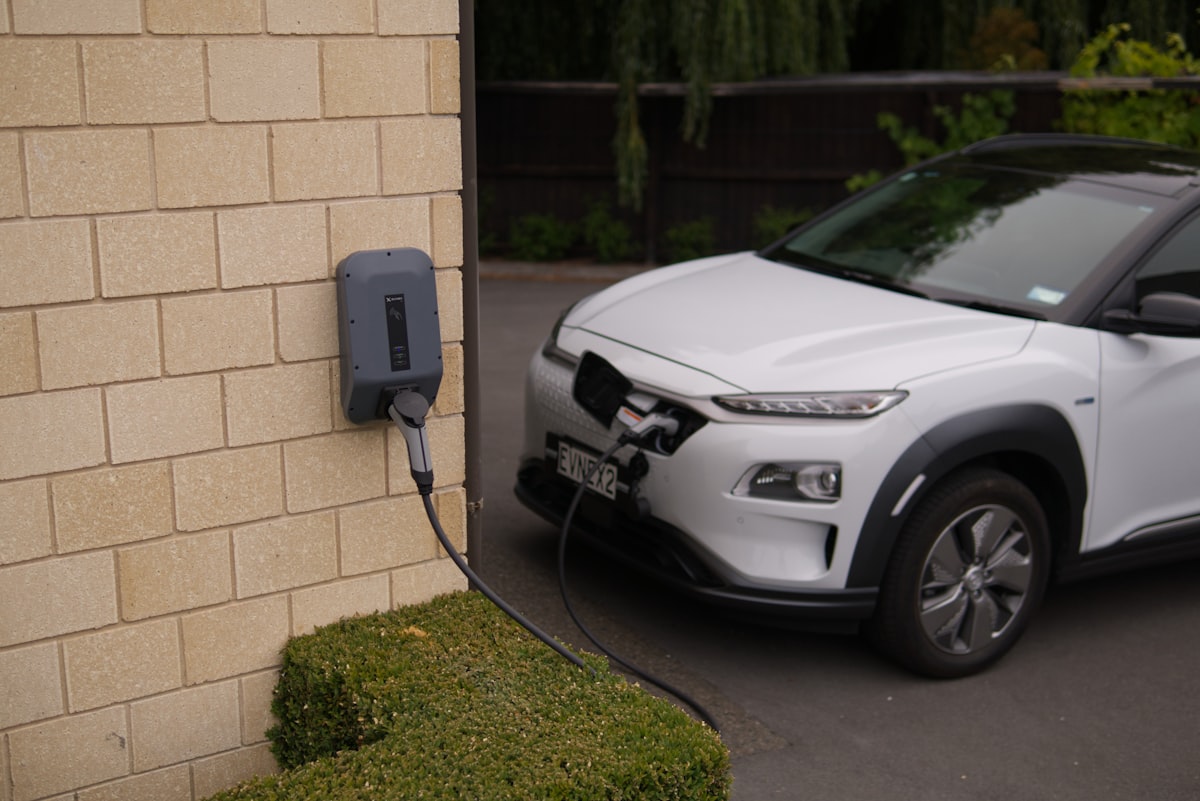
Have an electrician evaluate your panel before buying equipment. Know your limits first.
Consider a Panel Upgrade
If your panel can’t handle multiple chargers, upgrading to 200-amp service solves the problem. Costs $1,500-3,000 typically but provides capacity for future electrical needs too—heat pumps, hot tubs, whatever comes next.
Load Sharing Chargers
This is where technology helps. Load sharing systems split available power between multiple vehicles automatically. When one car finishes, the other gets full power. When both charge simultaneously, they share the circuit capacity.
That’s what makes load sharing endearing to us multi-EV households—you get two chargers without doubling your electrical infrastructure.
Smart Charging Scheduling
Even without load sharing hardware, smart scheduling helps. Set one car to charge 10pm-2am, the other 2am-6am. Sequential charging uses your full circuit capacity for each vehicle without simultaneous draw.
Most modern chargers support scheduling through apps. Some vehicles have built-in scheduling too.
Dual-Port Charger Units
Some manufacturers make chargers with two ports. Single installation, single circuit, two vehicles. Power sharing is built in. Cleaner setup than two separate units.
Portable Charger Backup
Keep a portable Level 1 or Level 2 charger as backup. Useful if your main charger develops issues, or for travel. Slower charging but reliable flexibility.
Energy Management Systems
Whole-home energy management systems coordinate all your electrical loads—chargers, HVAC, appliances. They shift loads automatically to prevent panel overload and optimize costs. More complex setup but solves multi-charger challenges elegantly.
Vehicle-to-Home Considerations
Some newer EVs support bidirectional charging—your car battery can power your house during outages. With multiple EVs, you’ve got serious backup power capacity. This technology is emerging but worth considering for future vehicle purchases.
Cable Management
Two chargers mean twice the cables. Wall-mounted organizers prevent tangling and trip hazards. Retractable cable systems exist too. Keep the garage floor clear.
Cost Planning
Budget for equipment plus electrical work. Two chargers run $1,000-4,000 total for equipment. Installation adds $500-2,000 per charger. Panel upgrades if needed add $1,500-3,000. Rebates from utilities often offset $500-1,000.
Long-term fuel savings dwarf these costs, but plan for the upfront investment.
Utility Rate Optimization
Contact your utility about EV rate plans. Time-of-use rates make overnight charging significantly cheaper. With two EVs, you’re charging substantial kilowatt-hours monthly—optimizing rates matters more.
Start With Assessment
Get an electrician to evaluate your panel capacity first. That assessment drives every other decision. Once you know your electrical limits, the equipment choices become clear.
Multi-EV households work fine with proper planning. The infrastructure exists—it just takes thoughtful setup.
Recommended EV Accessories
NOCO GENIUS10 Smart Charger – $79.95
Advanced battery maintainer and charger.
EV Charging Station Guide
Navigate the EV charging landscape.
As an Amazon Associate, we earn from qualifying purchases.



Stay in the loop
Get the latest northwestevcharge.com updates delivered to your inbox.