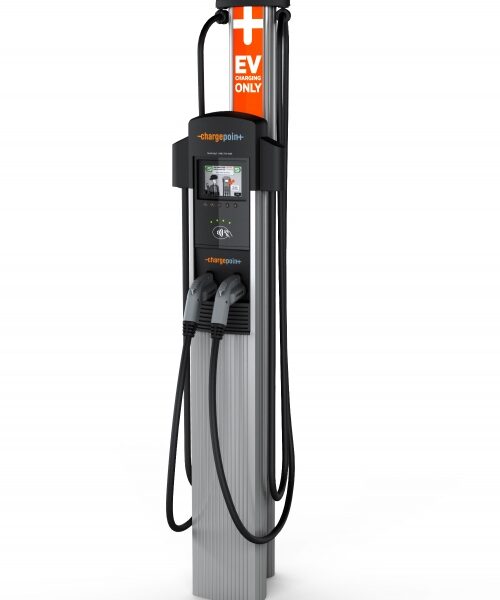
Top Considerations for Home EV Charger Installation
Home EV charger installation has gotten complicated with all the charger types, electrical requirements, and cost variables flying around. As someone who’s helped dozens of Pacific Northwest homeowners through this process, I learned everything there is to know about what actually matters when planning your installation. Today, I will share it all with you.
Getting these decisions right upfront saves money and frustration later.
Charger Types: Level 1 vs Level 2
Probably should have led with this section, honestly—this choice drives everything else:
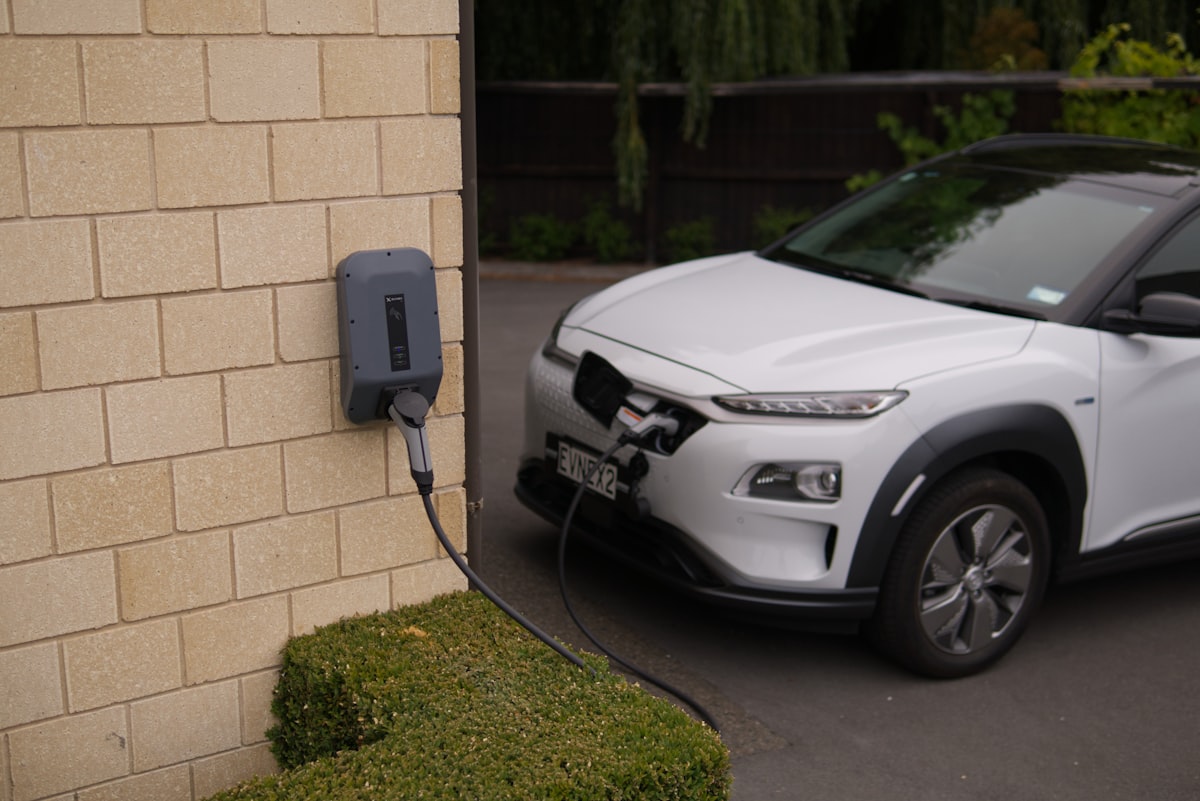
- Level 1: Plugs into any standard 120-volt outlet. No installation needed. Adds 3-5 miles of range per hour. Works for plug-in hybrids or low-mileage commutes.
- Level 2: Requires 240-volt dedicated circuit. Adds 20-40 miles of range per hour depending on amperage. Most EV owners end up here.
Skip Level 3 (DC fast charging)—that’s commercial territory requiring serious power infrastructure.
Charging Speed Reality Check
That’s what makes Level 2 endearing to us daily drivers—overnight charging handles almost any commute. Plug in at 10pm with a depleted battery, wake up at 6am fully charged. Level 1 can’t deliver that reliability for longer commutes.
Installation Costs
Budget $500-2,500 for a typical Level 2 installation including charger and labor. Variables that increase cost:
- Distance from electrical panel
- Panel upgrade requirements (if needed)
- Outdoor vs indoor installation
- Permit and inspection fees
Level 1 costs nothing beyond your existing outlet.
Electrical Capacity
Your electrician checks whether your panel can handle the additional load. Level 2 chargers typically need 40-50 amp circuits on 240-volt service. Older 100-amp panels sometimes can’t accommodate this without upgrades. Know your panel capacity before committing to equipment.
Placement Strategy
Where does your car park? Put the charger there. Consider cable reach—wrong-side mounting creates daily awkwardness. Garage installations protect equipment from weather. Outdoor installations need weatherproof equipment.
Permits and Local Rules
Most jurisdictions require electrical permits for Level 2 installation. Your electrician typically handles this. Unpermitted work can cause issues when selling your home or filing insurance claims. Check before starting.
Future-Proofing
Planning a second EV eventually? Consider a higher-capacity charger or run conduit for a future second unit while the electrician is there. Small extra investment now saves significant cost later.
Professional Installation
Skip the DIY approach for electrical work. Licensed electricians ensure code compliance, proper safety, and valid warranties. The cost difference isn’t worth the risk for 240-volt installations.
Get the fundamentals right—charger type, electrical capacity, placement—and the rest follows. Your electrician guides specific equipment recommendations based on your home’s setup.
Recommended EV Accessories
NOCO GENIUS10 Smart Charger – $79.95
Advanced battery maintainer and charger.
EV Charging Station Guide
Navigate the EV charging landscape.
As an Amazon Associate, we earn from qualifying purchases.



Stay in the loop
Get the latest northwestevcharge.com updates delivered to your inbox.