
Home Charging Setup: Getting Started with Your EV
Home EV charging setup has gotten complicated with all the equipment options, electrical requirements, and installation variables flying around. As someone who went through this process and now helps others, I learned everything there is to know about getting started right. Today, I will share it all with you.
Why Home Charging Matters
Probably should have led with this section, honestly—home charging is where 90% of EV charging actually happens. Plug in when you get home, wake up full. No trips to charging stations for daily driving.
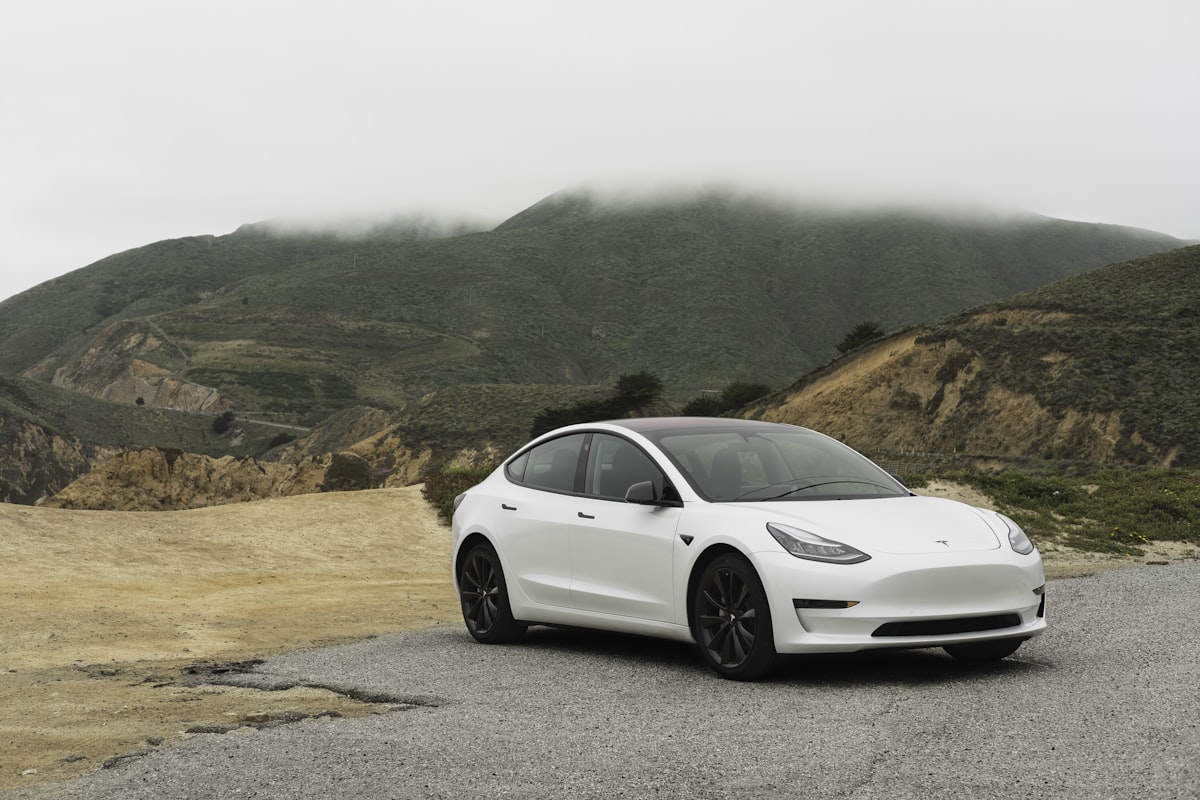
The Basics
Level 2 charging (240V) is ideal for most home installations. That’s what makes home Level 2 endearing to us daily drivers—it matches any realistic driving pattern with overnight charging.
Consider your daily mileage. Level 2 adds 20-30 miles per hour. An 8-hour overnight charge provides 160-240 miles—more than most people drive in a day.
Smart Features Worth Having
Smart chargers offer scheduling (charge during cheap off-peak hours), monitoring (track consumption and costs), and remote control via app. The $100-200 premium typically pays for itself within a year through rate optimization.
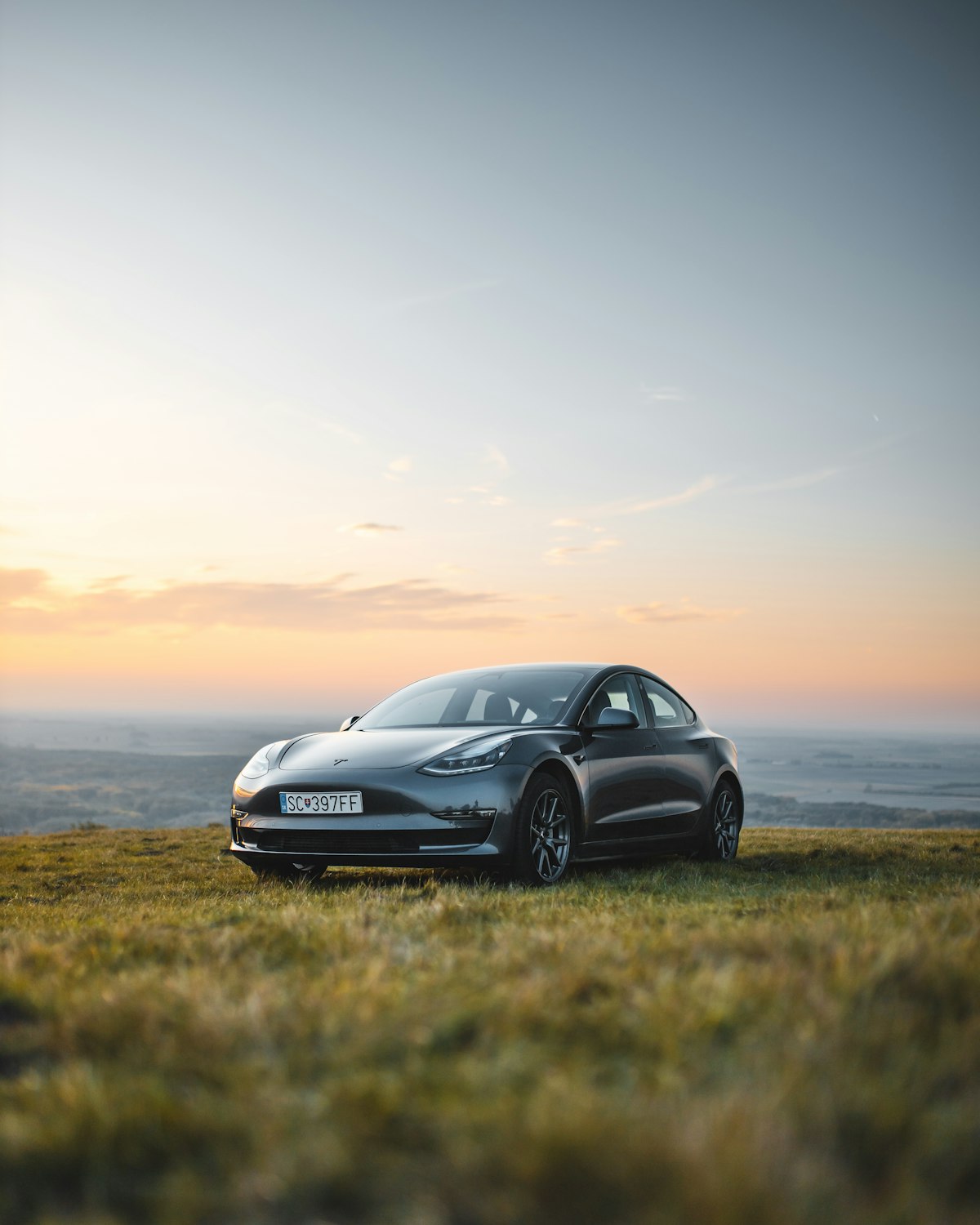
Getting Started
Assess your electrical panel capacity first. Have an electrician evaluate whether your panel can handle the additional load. Get multiple installation quotes. Research available rebates—Northwest utilities often offer $300-600 for home charger installation.
The setup process is straightforward once you understand your home’s electrical situation and choose appropriate equipment.
Recommended EV Accessories
NOCO GENIUS10 Smart Charger – $79.95
Advanced battery maintainer and charger.
EV Charging Station Guide
Navigate the EV charging landscape.
As an Amazon Associate, we earn from qualifying purchases.




Stay in the loop
Get the latest northwestevcharge.com updates delivered to your inbox.