
The Benefits of Installing Multiple Home EV Chargers
Multi-charger home setups have gotten complicated with all the load management options, electrical requirements, and cost considerations flying around. As a two-EV household, I learned everything there is to know about making multiple chargers work together. Today, I will share it all with you.
If your household has or plans to have more than one EV, here’s why multiple chargers make sense and how to do it right.
The Convenience Factor
Probably should have led with this section, honestly—convenience is the main driver. With one charger and two EVs, someone’s car isn’t charging while the other is. That means scheduling, switching cables, and occasionally forgetting to charge entirely.
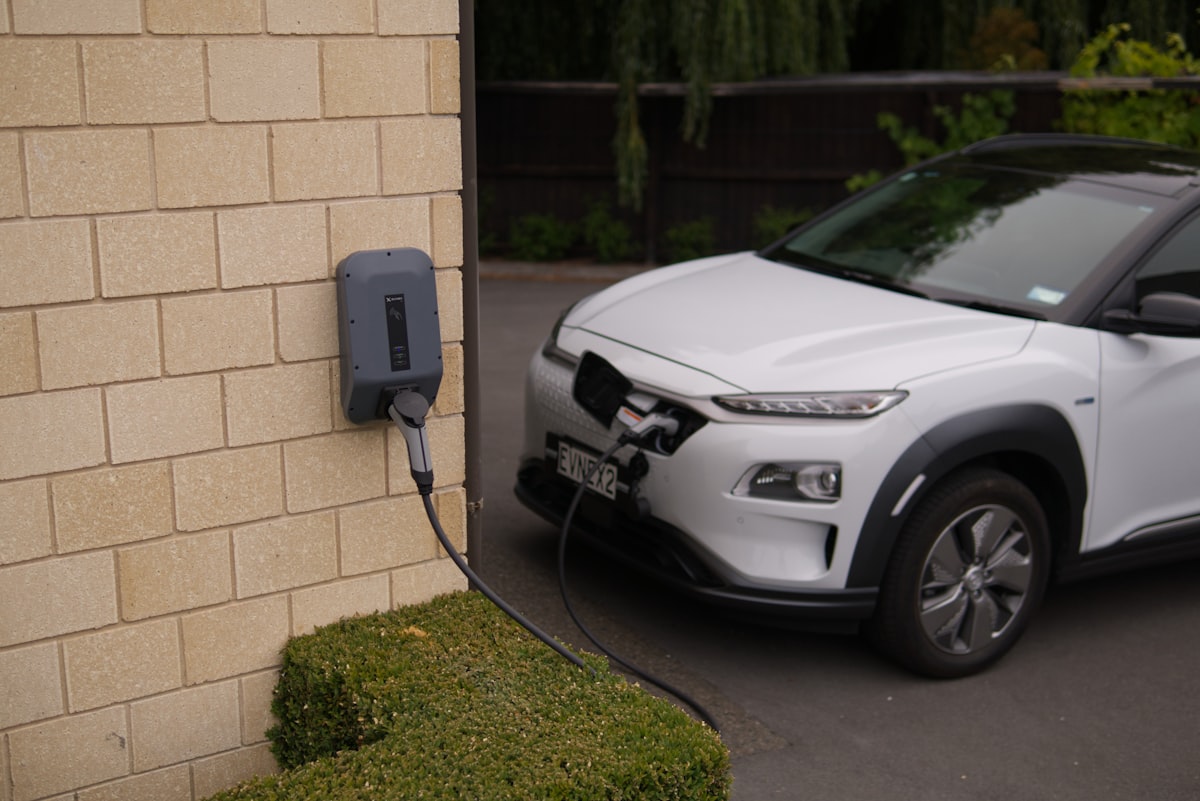
Multiple chargers mean everyone plugs in when they get home. Both vehicles charge overnight automatically. No coordination needed. Both cars are full every morning.
Safety Improvements
That’s what makes dedicated circuits endearing to us safety-conscious folks—proper electrical distribution. Sharing a circuit between multiple high-draw devices risks overloads. Multiple chargers on dedicated circuits spread the load safely.
Modern multi-charger setups include:
- Automated shut-off mechanisms
- Temperature monitoring
- Ground fault protection on each circuit
- Load balancing to prevent panel overload
Energy Efficiency Through Load Management
Smart chargers can coordinate. Load management systems ensure your panel never draws more than it safely can. They schedule charging to avoid peak rates. They can prioritize vehicles based on battery level or departure time.
Dynamic load balancing adjusts charging speed on both units in real-time based on total household draw. Both cars charge efficiently without tripping breakers or overloading circuits.
Future-Proofing
EV adoption is accelerating. Installing infrastructure for multiple chargers now—even if you only have one EV currently—saves money later. Running conduit and sizing panels during initial installation costs far less than retrofitting.
Property value benefits too. Homes with EV charging infrastructure are increasingly attractive to buyers.
Solar Integration Benefits
If you have solar panels, multiple chargers can take advantage of excess daytime production. Smart systems direct solar energy to vehicle batteries rather than sending it back to the grid (often at lower rates).
Reduced Dependence on Public Charging
Public stations are sometimes occupied, broken, or inconveniently located. With reliable home charging for multiple vehicles, you use public infrastructure only when actually traveling—not for daily needs.
Practical Considerations
Multiple chargers require proper electrical planning:
- Panel capacity assessment (may need upgrade to 200+ amps)
- Load management system selection
- Proper circuit sizing for each charger
- Professional installation meeting code requirements
Utility rebates often apply to multiple charger installations. Check available incentives before purchasing equipment.
For multi-EV households, the convenience and reliability of multiple dedicated chargers justifies the investment. Plan ahead, size your electrical correctly, and enjoy the simplicity of full batteries every morning.
Recommended EV Accessories
NOCO GENIUS10 Smart Charger – $79.95
Advanced battery maintainer and charger.
EV Charging Station Guide
Navigate the EV charging landscape.
As an Amazon Associate, we earn from qualifying purchases.



Stay in the loop
Get the latest northwestevcharge.com updates delivered to your inbox.