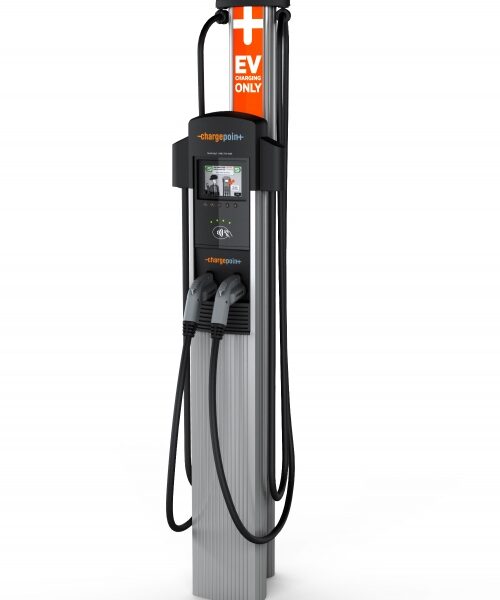
Residential EV chargers have gotten complicated with all the brands and features flying around. As someone who’s installed and compared many different units throughout the Pacific Northwest, I learned everything there is to know about what actually matters in a home charger. Today, I’ll share it all with you.
The Brands That Actually Deliver
Probably should have led with this section, honestly — quality varies significantly. Established brands like ChargePoint, JuiceBox, Grizzl-E, and Wallbox consistently earn good reviews. Lesser-known brands may offer lower prices but sometimes lack reliability or warranty support.
Features That Matter
That’s what makes smart features endearing to us optimization types:
- Scheduling: Charge during off-peak hours automatically for lower electricity costs.
- Energy monitoring: Track exactly what charging costs you.
- App control: Start, stop, and monitor charging remotely.
- Load sharing: Split power between multiple EVs if you have two.
Power Level Selection
Most home chargers deliver 32-48 amps at 240V. Higher amperage charges faster but requires larger circuits. 32 amps handles most daily driving needs; 48 amps provides faster charging for higher-mileage days or larger battery vehicles.
Installation Considerations
Hardwired installations look cleaner and may be more reliable. Plug-in models offer portability if you move. Either approach works when properly installed by a licensed electrician.



Stay in the loop
Get the latest northwestevcharge.com updates delivered to your inbox.