
Level 2 chargers have gotten confusing with all the specs and features thrown around. As someone who spent way too long researching before buying one, I figured I’d explain what these actually are and why they matter for EV owners.
A Level 2 charger is essentially a faster way to charge your electric vehicle at home. While the basic charger that comes with most EVs (Level 1) plugs into a regular 120-volt outlet like a phone charger, Level 2 uses a 240-volt connection — the same type of outlet your dryer or oven uses.
That voltage difference translates to serious speed gains. Level 1 charging adds maybe 4-5 miles of range per hour. You’d need 20+ hours to fill a typical EV battery. Level 2 adds 20-30 miles per hour, meaning a full charge happens in 4-8 hours overnight. That’s what makes Level 2 endearing to us commuters — plug in when you get home, wake up to a full battery.
Installation requires some actual work. You can’t just plug a Level 2 charger into a regular outlet. An electrician needs to install a 240-volt outlet or hardwire the unit directly. They’ll also verify your electrical panel can handle the additional load. Some older homes need panel upgrades, which adds cost.
Once installed, using the thing is dead simple. Plug in, charging starts. Many Level 2 chargers now include smart features: WiFi connectivity to check status from your phone, scheduling to charge during cheaper off-peak hours, and energy monitoring to track costs. I initially thought these features were unnecessary until I realized I was charging during peak rates and wasting money.
Cost-wise, Level 2 chargers run $500-1,500 for the unit itself. Installation adds $500-2,000 depending on your electrical situation. More expensive than Level 1 (which costs nothing extra), but the time savings make Level 2 worthwhile if you drive regularly.

Level 2 chargers aren’t just for homes either. They’re the standard at most public charging stations, workplace charging setups, and apartment complex installations. This ubiquity is helpful — you’ll encounter the same connector type and charging speeds everywhere.
Speaking of connectors: the J1772 plug is standard for Level 2 charging in North America. Nearly every EV except Tesla uses it natively, and Tesla includes an adapter. You don’t need to worry about compatibility for the most part.
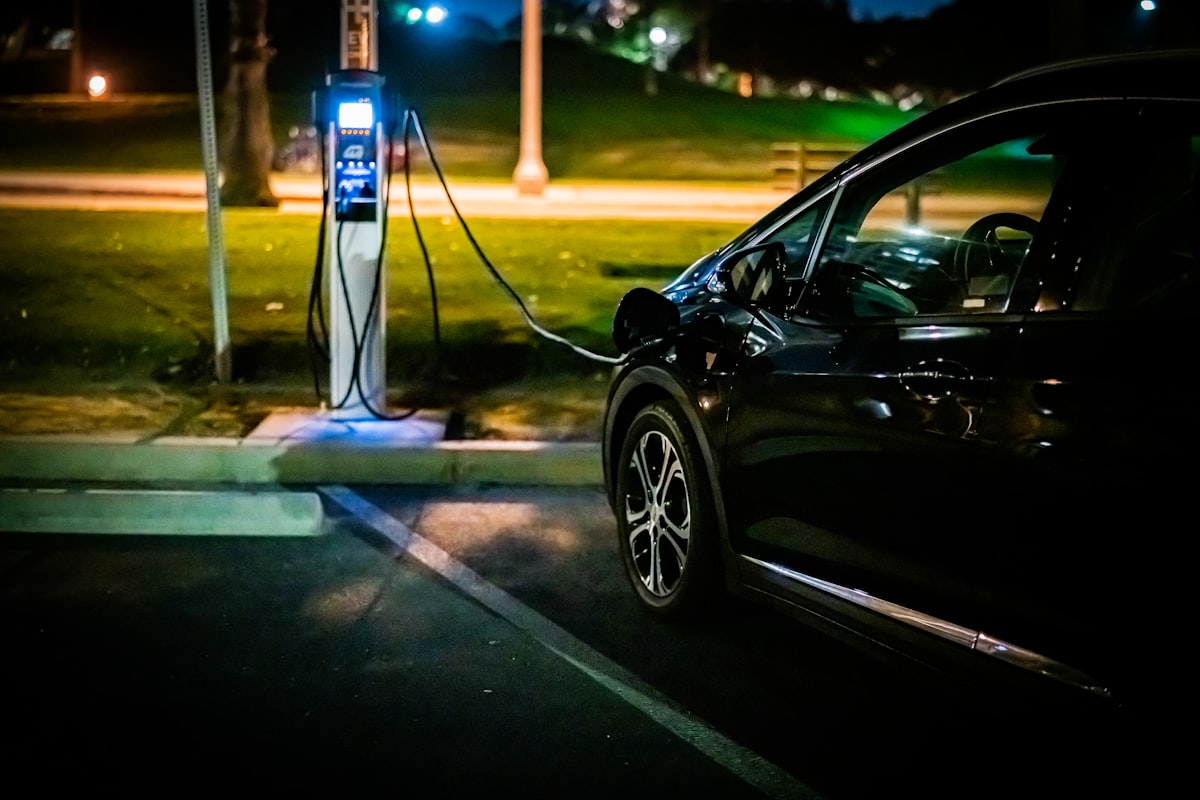
The bottom line: Level 2 chargers cost more upfront but provide the speed and convenience that makes daily EV ownership practical. Unless you drive very little and have extraordinary patience, Level 2 is what you want for home charging. The faster charging times and smart features justify the investment, especially compared to the frustration of watching Level 1 slowly trickle charge for an entire weekend.
Recommended EV Accessories
NOCO GENIUS10 Smart Charger – $79.95
Advanced battery maintainer and charger.
EV Charging Station Guide
Navigate the EV charging landscape.
As an Amazon Associate, we earn from qualifying purchases.



Stay in the loop
Get the latest northwestevcharge.com updates delivered to your inbox.