
Understanding EV Charging Levels: What You Actually Need
EV charging levels have gotten complicated with all the specifications, voltage requirements, and speed claims flying around. As someone who uses all three levels regularly, I learned everything there is to know about when each makes sense. Today, I will share it all with you.
Level 1 Charging
Probably should have led with this section, honestly—Level 1 is what you already have. Standard 120V outlet, the cable that came with your car, 3-5 miles of range per hour.
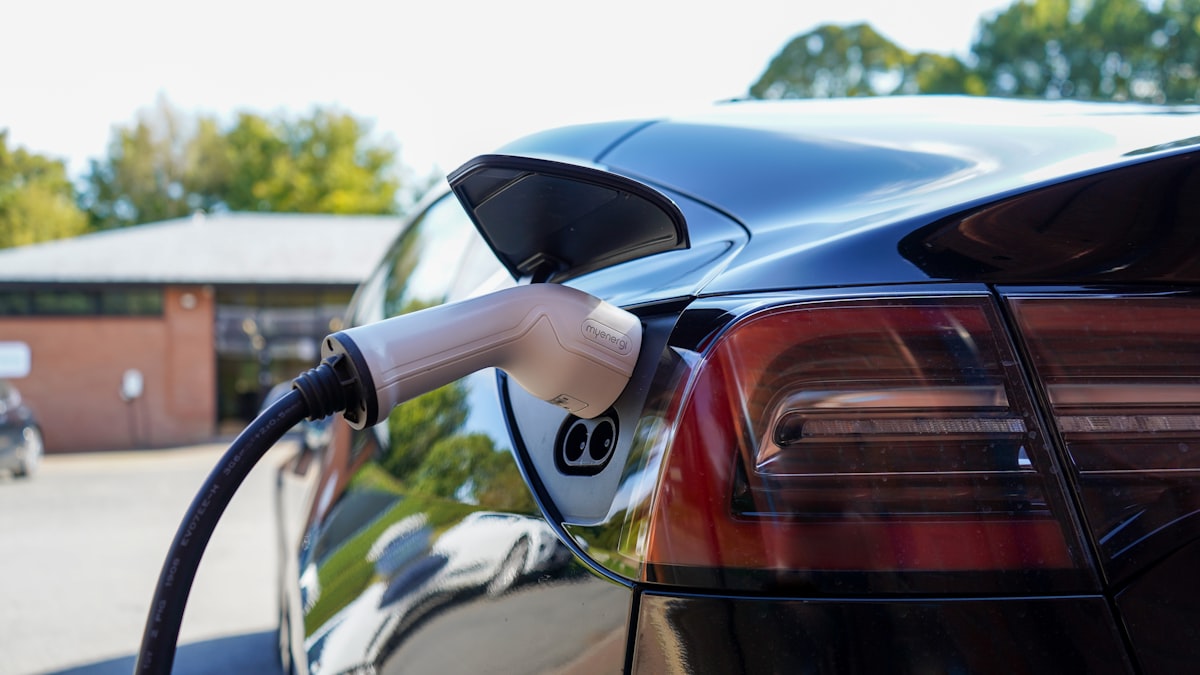
Level 1 works for plug-in hybrids, short commutes, or situations where you have all night to charge. Overnight (10 hours) gets you 40-50 miles. If that covers your daily driving, Level 1 costs nothing extra to set up.
Level 2 Charging
That’s what makes Level 2 endearing to us daily drivers—it handles any realistic commute. 240V installation (like your dryer outlet), adds 25-30 miles per hour. Overnight charging easily fills even large batteries.
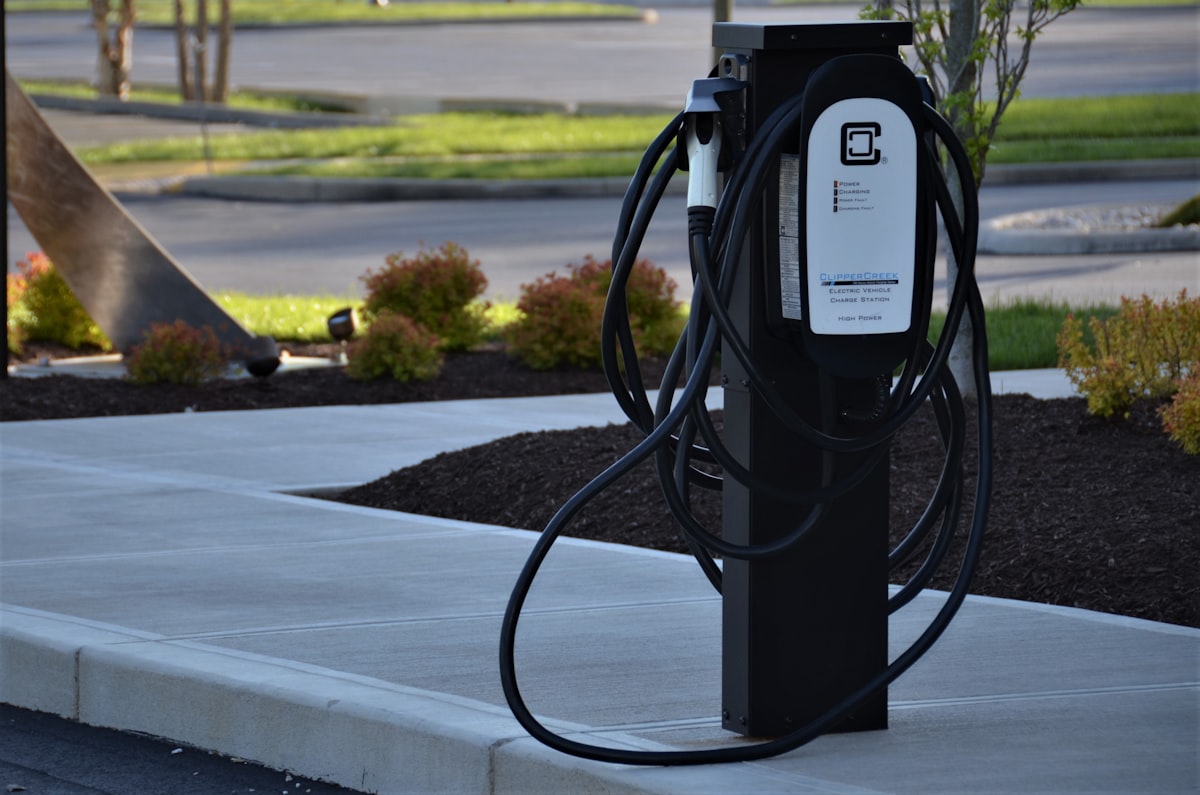
Most home EV owners end up here. Requires professional installation ($500-1,500 total with equipment) but provides worry-free daily charging.
DC Fast Charging (Level 3)
Level 3 lives at public stations only—requires commercial power infrastructure. Adds 100-200 miles in 30 minutes depending on your vehicle’s acceptance rate.
Essential for road trips. Useful for quick top-ups. Not recommended as your primary charging method—frequent DC fast charging may affect long-term battery health. Think of it as a gas station equivalent, not daily fuel.
Match the level to your needs. Most EV owners find Level 2 at home plus occasional Level 3 on trips covers everything.
Recommended EV Accessories
NOCO GENIUS10 Smart Charger – $79.95
Advanced battery maintainer and charger.
EV Charging Station Guide
Navigate the EV charging landscape.
As an Amazon Associate, we earn from qualifying purchases.


Stay in the loop
Get the latest northwestevcharge.com updates delivered to your inbox.