
Home EV Charger Installation: What to Expect
EV charger installation has gotten complicated with all the electrical requirements, equipment options, and cost variables flying around. As someone who went through this process (and helped neighbors with theirs), I learned everything there is to know about what actually happens. Today, I will share it all with you.
Choosing a Charger
Probably should have led with this section, honestly—equipment choice drives everything else. J1772 connectors work with all non-Tesla EVs. Tesla uses proprietary connectors but includes adapters.
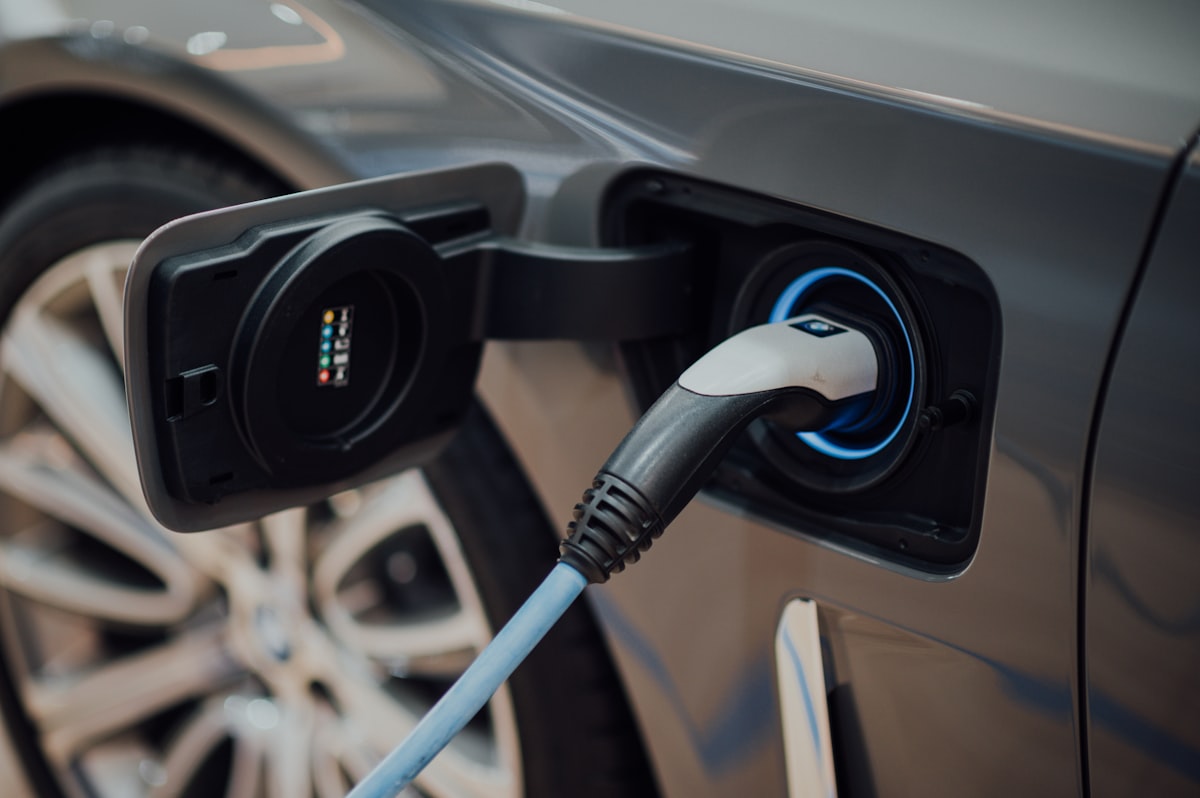
Smart chargers cost $100-200 more but offer scheduling (for off-peak rates), remote monitoring, and app control. That’s what makes smart features endearing to us cost-conscious owners—they pay for themselves in rate optimization.
Electrical Requirements
Level 2 chargers need 240V circuits with 40-50 amp breakers. Your electrician evaluates:
- Panel capacity (enough room for new breaker?)
- Total load (can panel handle additional 40-50 amps?)
- Run distance (how far from panel to charger location?)
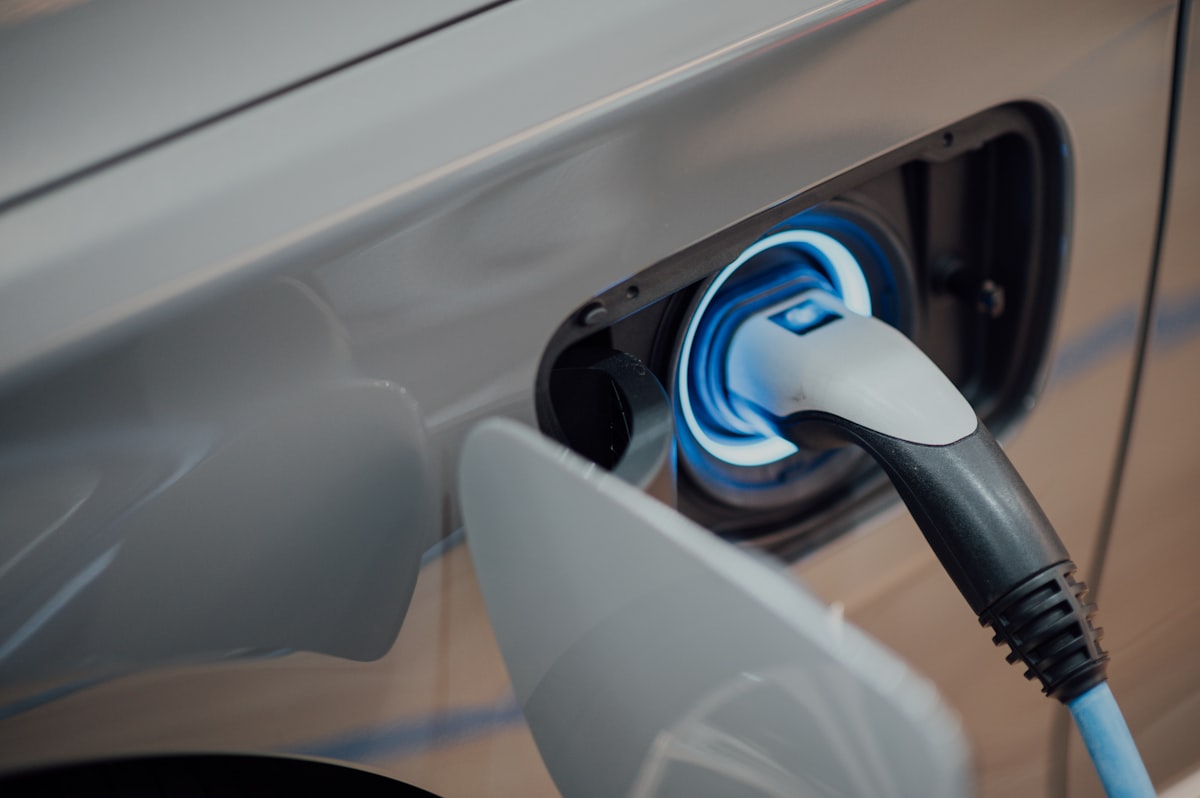
Some older homes need panel upgrades before installation. Your electrician identifies this during assessment.
Installation Costs
Realistic budget ranges:
- Basic charger unit: $300-700
- Installation labor: $300-800 (straightforward) to $1,500+ (complex runs or panel work)
- Total typical: $600-1,500
Federal and local incentives often offset $300-600. Get multiple quotes from licensed electricians experienced with EV installations.
Recommended EV Accessories
NOCO GENIUS10 Smart Charger – $79.95
Advanced battery maintainer and charger.
EV Charging Station Guide
Navigate the EV charging landscape.
As an Amazon Associate, we earn from qualifying purchases.



Stay in the loop
Get the latest northwestevcharge.com updates delivered to your inbox.